

In our hectic digital world, we often look for contrasting escapes: serene meditation for inner calm and thrilling slot games for quick excitement https://playtocasino.com/games/fishin-frenzy-big-catch-slot-demo/. Yet, the transition between these states need not be abrupt. We examine the concept of attentive play, using the popular Fishin Frenzy Slot as a case study. This approach enables players to interact with the game’s aquatic theme and simple mechanics in a more present, controlled manner, possibly enhancing enjoyment while keeping a balanced perspective on play, particularly within the UK’s vibrant online gaming landscape where safe engagement is essential.
Fishin Frenzy Slot: A Path to Calm
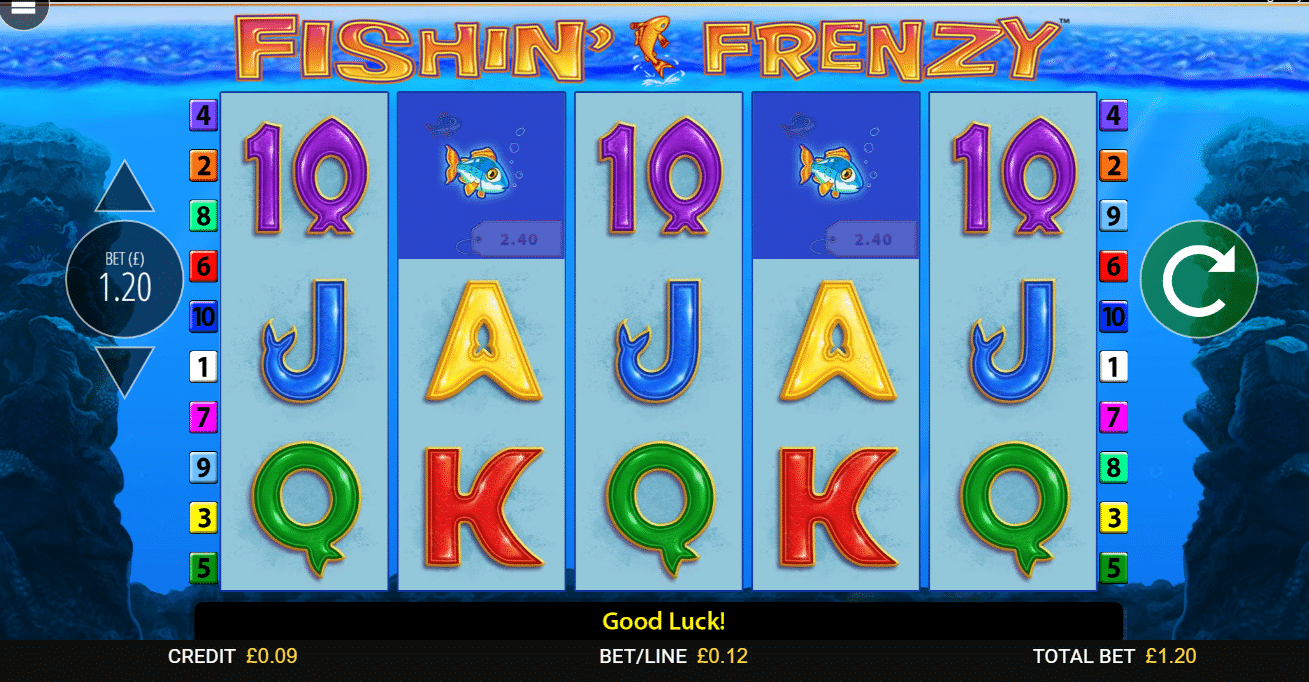
Fishin Frenzy, featuring its serene underwater theme, muted blue color palette, and soft audio, provides a unexpectedly suitable backdrop for mindful play. Different from slots with intense audio and bright flashes, this game brings to mind the calm of a fishing trip. The central activity—catching fish for rewards—is inherently simple and cyclical, a quality that can aid focus. We can employ these ambient features as anchors for our attention, revisiting the soothing visuals when the mind strays to thoughts of wins or losses.
The Approach to Mindful Gaming
Mindful gaming represents the practice of bringing aware, non-judgmental awareness to the gaming experience. It involves acknowledging the game’s entertainment purpose without being consumed by autopilot reactions or powerful emotional swings. This philosophy encourages us to notice the sensory details—the sound of reels, the visual animations—and our own responses to them. By doing so, we transform a potentially passive activity into a purposeful practice of presence, where the journey matters as much as the outcome, fostering a more balanced digital lifestyle.
Core Principles of Playful Awareness
The core principles revolve around intentionality and observation. We set a clear intention before playing, such as enjoying the theme for a set time. During play, we observe the game’s mechanics and our impulses without direct reaction. This establishes a mental space between stimulus and response, allowing for more considered engagement. It is not about suppressing excitement but about feeling it fully without letting it dictate our state of mind or subsequent actions.
Comparison to Autopilot Play
Autopilot play is characterized by repetitive, unconscious spinning, often driven by a desire to recoup losses or prolong a win streak. Mindful gaming directly challenges this by inserting moments of conscious choice. We notice the urge to “spin again” quickly and can choose to pause instead. This shift from reaction to response is the core of integrating mindfulness into an activity typically associated with high-speed, low-attention engagement.
Recognizing and Handling Gaming Stimuli
Mindful awareness enables us recognize personal stimuli that cause less disciplined play. These could be the “near-miss” of a big symbol, a sequence of small wins, or the conclusion of a bonus phase. By observing the physical sensations or thoughts these events elicit—a quickened pulse, a impulse to “chase” deficits—we can stop. We can then opt for a deliberate response, like doing three deep respirations or deciding to stop after the next turn, thereby keeping agency over our gaming activity.
Typical Cues in Slot Gaming
Grasping common triggers explains our responses. The auditory cue of a victory, even a small instance, can spark a dopamine effect that urges continued play. The visual “stacking” of symbols that almost make a sequence creates a strong near-miss impact. In Fishin Frenzy, the arrival of the fisherman or the free spins symbol can turn into a central area for excitement. Attentively noting these moments as mere game occurrences, not personal imperatives, is a key technique.
Conscious Play in the UK Context
In the Britain, where gambling is a regulated form of entertainment, conscious play complements the national emphasis on consumer safety and responsible gambling. The UK Gambling Commission enforces tools like reality checks and financial boundaries. We view conscious habits as a internal, internal complement to these outside protections. By cultivating awareness, UK players can enjoy popular titles like Fishin Frenzy more responsibly, ensuring gaming continues as a leisure activity that does not affect other areas of life.
Setting Intentions Before You Play
Defining goals is the foundation of mindful gaming. Before loading Fishin Frenzy, we intentionally set the parameters of our play. This is not about forcing a win but about outlining our interaction. An aim could be to appreciate the ocean graphics for 15 minutes, to note the rate of bonus features, or just to practice staying mindful during losses. Jotting this down or voicing it mentally shapes the session, making it far simpler to recognize when our awareness has drifted into automatic, reactive play.
Moving from Meditation to Play
Moving from a meditation session directly into gaming demands a bridging mindset. We advise taking the residual calm and focused attention into the game. Rather than rushing to spin, we can pause to take in the game’s opening screen, take in the ambient music, and define our intention. This conscious transition helps keep the mindful state. Viewing the first few spins as an extension of observation, rather than a pursuit of outcome, seamlessly merges relaxation with interactive entertainment.
Establishing a Structured Gaming Session
A well-rounded session honors both the desire for enjoyment and the requirement for wellness. We design this by applying clear boundaries. A pre-session moment of deep breathing sets the mood, while a post-session practice, like light stretching or observing three things seen in the game, assists isolate the experience. Key elements for harmony include:
- Time Awareness:
- Financial Boundaries:
- Physical Check-ins:
Game mechanics of Fishin Frenzy for Focused Play
The game’s simple mechanics enable attentive engagement. With a standard 5×3 reel layout and transparent paytable, the cognitive load is minimal, allowing cognitive space for mindfulness. The key features that can be watched mindfully include:
- The Fisherman Wild:
- Free Spins Trigger:
- Catching Fish:
The Importance of Sound and Visuals in Mindfulness
Fishin Frenzy’s audiovisual design is a effective tool for mindful practice. We can utilize the gentle bubbling sounds and the rhythmic casting of the fishing line as focal points, just as one uses the breath in meditation. When the mind becomes distracted by anticipation, gently directing attention back to these consistent sensory elements grounds us in the present moment. This converts the game from a potential source of tension into a dynamic object of meditation, where even the reel spins become a visual mantra.
FAQ
What exactly is mindful gaming?
Mindful gaming is the practice of engaging with full, present-moment consciousness. It involves noticing the game’s visuals, audio, and systems, as well as your own ideas and reactions, without evaluation or automatic reflex. The goal is to savor the activity consciously, keeping control and viewpoint, rather than gaming on automatic mode driven only by the desire to win.
Is it possible to play slots like Fishin Frenzy really be mindful?
Yes, any activity can be undertaken mindfully. The peaceful atmosphere of Fishin Frenzy creates a favorable environment. By concentrating on the perceptual elements—the sea, the sounds, the movement—and establishing specific intentions for your playtime, you can convert slot play into a discipline of concentrated attention and managed engagement, rather than a receptive or responsive pastime.
How do I move from contemplation to starting a game?

Transfer the serene, observational mode from your practice into the game. After meditating, draw a few inhalations before launching. Begin by merely observing the game’s initial display and opening sounds without right away spinning. Define a basic intention for your session. This links the two practices, allowing the attentive state to remain into your gaming session.
What happens if I get too excited or frustrated during play?
Emotions are natural. Mindfulness is about noticing them without being dominated by them. When you notice strong thrill or irritation, pause for a moment. Recognize the feeling, take a deep inhalation, and reconnect with your pre-set intention or the sensory details of the game. This small gap allows you to decide your next action intentionally.
Will mindful gaming lower the risk of harmful play?
While not a remedy, it is a potent preventative tool. By cultivating self-awareness, it helps you recognize early indicators of recovering losses or betting beyond thresholds. The habit of setting intentions, monitoring triggers, and keeping present-moment focus encourages a more structured and conscious relationship with gaming, naturally promoting healthier behaviors.
Must I only play the demo version for mindfulness?
Commencing with the demo version is highly advised for practice. It takes away financial stress, allowing you to concentrate purely on developing mindful observation. Once the method feels automatic, you can use it to any mode of play, as the core ability is internal perception, not the external stake.
For how long should a mindful gaming session continue?
Time span is less critical than attentional quality. We advise ise, focused sessions of 10-20 minutes when beginning. Use an external timer. The key is to maintain mindful awareness throughout. A short, conscious session is far more valuable for developing the practice than a long, automatic one.